

stained glass panels for sale
Understanding Metal Fabrication A Comprehensive Guide Metal fabrication is a vital process in various industries, serving as the backbone for manufacturing countless components and structures. From small precision parts to massive frameworks for buildings, understanding the fundamental aspects of metal fabrication is essential for anyone involved in engineering, construction, or manufacturing. This article explores the key elements, techniques, and materials associated with metal fabrication, along with its applications in modern industry. What is Metal Fabrication? At its core, metal fabrication refers to the creation of metal structures and components from raw materials. This intricate process typically involves a series of steps including cutting, bending, welding, and assembling metal parts. Companies that specialize in metal fabrication often employ advanced machinery and techniques to ensure precision and efficiency in their operations. The Process of Metal Fabrication Metal fabrication encompasses several distinct processes 1. Cutting This initial stage involves converting large metal sheets or bars into smaller, desired shapes or sizes. Techniques used in cutting include shearing, sawing, laser cutting, and water jet cutting. The choice of method depends on the type of metal, thickness, and the precision required for the finished product. 2. Bending After cutting, the next step is bending the metal to achieve the desired angles and curves. This process employs various tools and machines, including press brakes and roll benders. The aim is to form the metal without compromising its integrity or structural properties. 3. Welding Welding is a crucial aspect of metal fabrication that involves joining two or more pieces of metal together through heat and pressure. Various welding techniques, such as MIG (Metal Inert Gas), TIG (Tungsten Inert Gas), and arc welding, are employed depending on the materials and the required strength of the joints. 4. Finishing The finishing stage enhances the surface quality and appearance of the fabricated parts. Techniques such as sanding, polishing, and painting not only improve aesthetics but also help protect the metal from corrosion and wear. 5. Assembly Finally, the fabricated components are assembled into the final product. Assembly can involve additional fastening methods, such as riveting or using bolts and screws, depending on the application. Materials Used in Metal Fabrication Metal fabrication utilizes a wide range of materials, each with unique properties suited for different applications. Some of the most commonly used metals include metal fabrication table - Steel Known for its strength and versatility, steel is widely used in construction and manufacturing. Variants such as stainless steel and carbon steel provide enhanced corrosion resistance and improved mechanical properties. - Aluminum Lightweight and resistant to corrosion, aluminum is ideal for applications where weight reduction is crucial, such as in the aerospace and automotive industries . - Copper Noted for its excellent conductivity, copper is predominantly used in electrical applications and plumbing. - Titanium Recognized for its high strength-to-weight ratio and resistance to corrosion, titanium is often utilized in medical devices, aerospace, and specialized equipment. Applications of Metal Fabrication The applications of metal fabrication are extensive and varied, spanning numerous industries - Construction Metal fabrication is essential in creating structural components for buildings, bridges, and other infrastructures. - Automotive The automotive industry relies heavily on metal fabrication for manufacturing parts such as chassis, body panels, and engine components. - Aerospace Precision metal fabrication is critical in aerospace, where safety and performance are paramount. - Manufacturing Equipment Many industrial machines require fabricated metal parts to function efficiently, making metal fabrication an integral part of the manufacturing process. Conclusion In conclusion, metal fabrication plays a crucial role in modern industry, providing the foundation for countless products and structures. By understanding the processes, materials, and applications involved in metal fabrication, stakeholders can better appreciate its significance. As technology continues to advance, the methods and capabilities of metal fabrication will undoubtedly evolve, paving the way for even more innovative solutions in various fields. Whether you are an engineer, designer, or manufacturer, familiarizing yourself with metal fabrication will enhance your ability to contribute to this essential industry.
about
stained glass panels for sale
The Spirit Level A Crucial Tool for Precision and Accuracy The spirit level, often referred to as a bubble level, is an indispensable tool in various fields, from construction and carpentry to photography and art. Its primary purpose is to determine whether a surface is horizontal (level) or vertical (plumb). The importance of a spirit level cannot be overstated, as it contributes significantly to the precision and accuracy of numerous tasks, ensuring that our constructions are safe, aesthetically pleasing, and functionally sound. At its core, the spirit level is a simple yet ingenious instrument. It consists of a sealed tube filled with a liquid, usually alcohol, and an air bubble. When the tube is positioned on a surface, the bubble will find its way to the highest point of the liquid. By observing the position of the bubble in relation to marked lines on the tube, users can determine if the surface is level. If the bubble is centered between the lines, the surface is perfectly horizontal. If it tilts to one side, the surface is either slanted or unlevel. The Spirit Level A Crucial Tool for Precision and Accuracy Carpenters and woodworkers also heavily rely on spirit levels to achieve impeccable results. When building furniture, cabinets, or shelves, ensuring that every element is level is crucial for both the functionality and appearance of the final product. A cabinet that leans to one side may not only look unsightly but can also affect the usability of its doors and drawers. Similarly, when creating artwork or installations, artists use spirit levels to ensure that their pieces are visually aligned and harmonious with the surrounding environment. spirit level is used for Beyond construction and woodworking, spirit levels play a significant role in landscaping and gardening. For example, when creating pathways, retaining walls, or patio areas, using a spirit level ensures that the work is not only aesthetically pleasing but also functional. Proper drainage relies on level surfaces; if the ground is sloped incorrectly, water can pool in unwanted areas, leading to erosion or property damage. In addition to traditional bubble levels, advancements in technology have led to the creation of digital spirit levels. These modern tools provide even greater accuracy and often feature displays that show the exact angle of the surface. Digital levels can also include additional functionalities, such as memory settings and audible alerts, making them ideal for professional use. Moreover, the spirit level also finds application in fields such as photography and videography. Photographers and videographers use levels to ensure that their shots are properly framed and aligned. A tilted horizon can be distracting and take away from the overall quality of an image or video, making the use of a level essential for maintaining professional standards. While the basic design of the spirit level has remained relatively unchanged over the years, its significance has only grown. The precision it offers is vital in a world where even minor discrepancies can have considerable consequences. Whether you are a professional tradesperson, an artist, or a DIY enthusiast, the spirit level remains a fundamental tool that underpins quality work across various disciplines. In conclusion, the spirit level is much more than a simple tool; it is a key component that ensures precision, accuracy, and quality in numerous fields. Understanding how to effectively use a spirit level can significantly enhance the outcomes of various projects, paving the way for successful results and satisfied clients. Its enduring relevance in an ever-evolving technological landscape speaks to its invaluable role in craftsmanship and construction.
-

High quality industrial productsagement

High quality industrial products
View Details -

Meet the diverse needs of customers

Meet the diverse needs of customers
View Details -

Strict quality control

Strict quality control
View Details -

Top raw materials

Top raw materials
View Details -

Trusted supplier

Trusted supplier
View Details
Our application

news and information
Water valve fails to close properly and leaks persist
Troubleshooting a Water Valve That Won't Shut Off Encountering a water valve that refuses to shut of
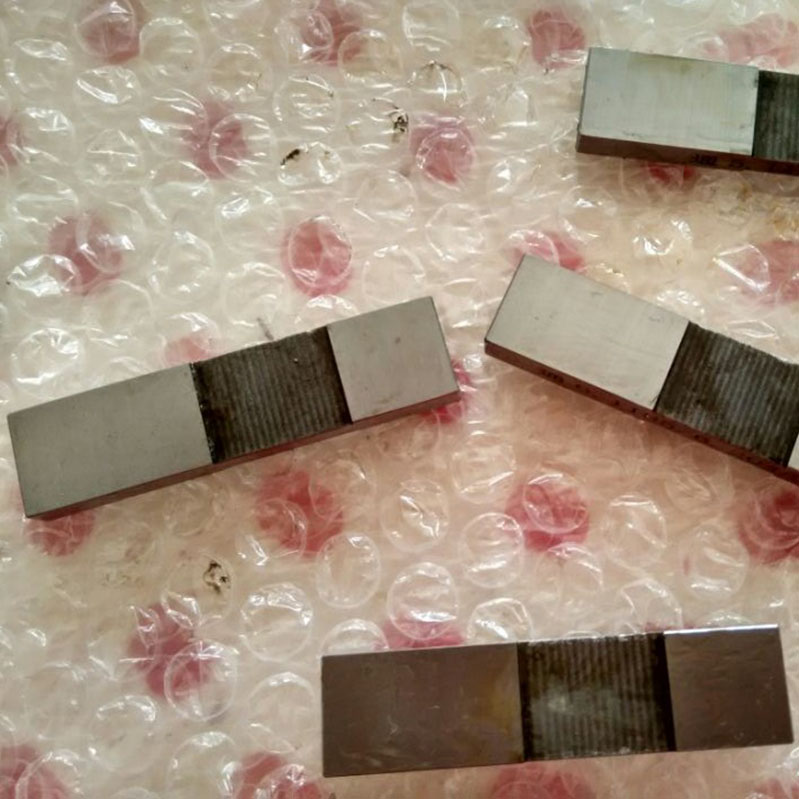
Versatile 4x8 Welding Table for Precision Fabrication and Project Efficiency
The Versatility of a 4x8 Welding Table When it comes to metalworking and fabrication, having the rig
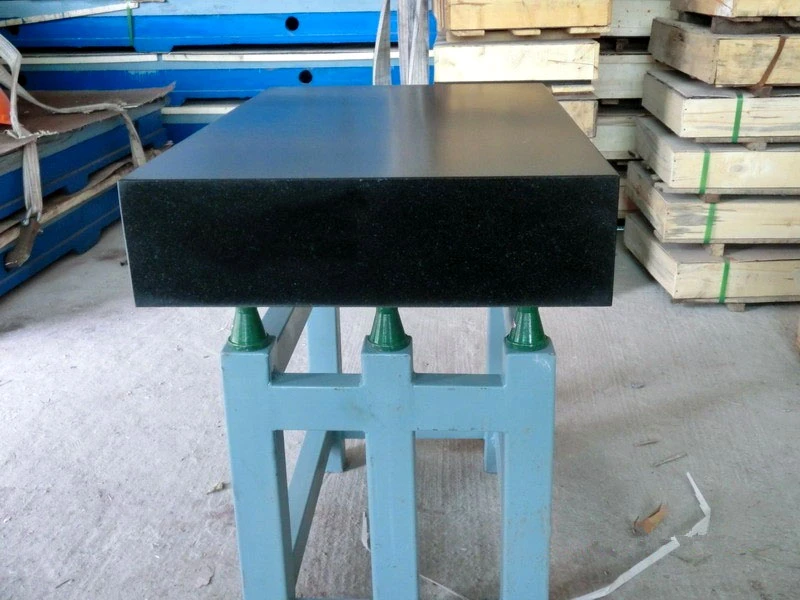
Valve check for preventing backflow in fluid systems an essential component.
A backcheck valve, also known as a non-return valve or check valve, is a crucial component in many i
 English